
 BEYOND AWARENESS: “INFORMATION IS WANTED, BUT ACCURATE, AGE-APPROPRIATE INFORMATION ALONE WILL NOT PREVENT GENDER-BASED VIOLENCE”
On 25 November, the world begins the annual 16 Days of Activism Against Gender-Based Violence (GBV), which runs until 10 December. The 2026 global campaign calls on all of us to “UNiTE to End Violence Against Women and Girls, ensure justice, protect survivors, end impunity.” This call has practical implications: children must be safe at school and on their way home; adolescents must be able to seek healthcare without shame; girls must be supported to remain in education and make decisions about their futures; and survivors must know where to access assistance and be treated with dignity.
In the weeks leading up to the campaign, conversations in school compounds, learning centres and community meetings carried a clear message: people want accurate information about their bodies, relationships, marriage and family planning. However, information alone cannot prevent gender-based violence. Prevention also requires safe services, meaningful choices, supportive families, accountable institutions and action to address the economic and social pressures that expose children and young people to harm.
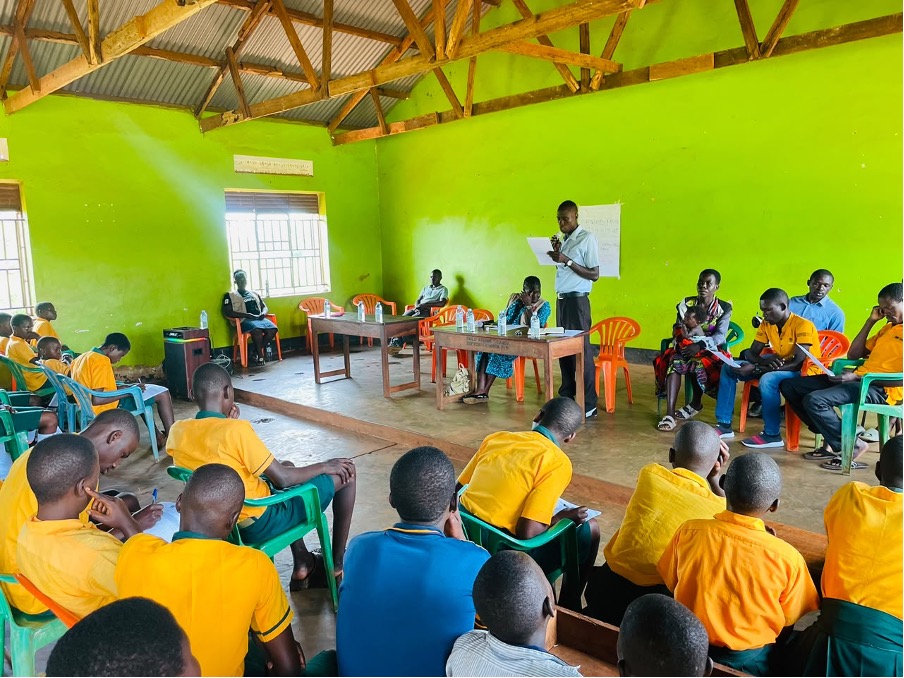
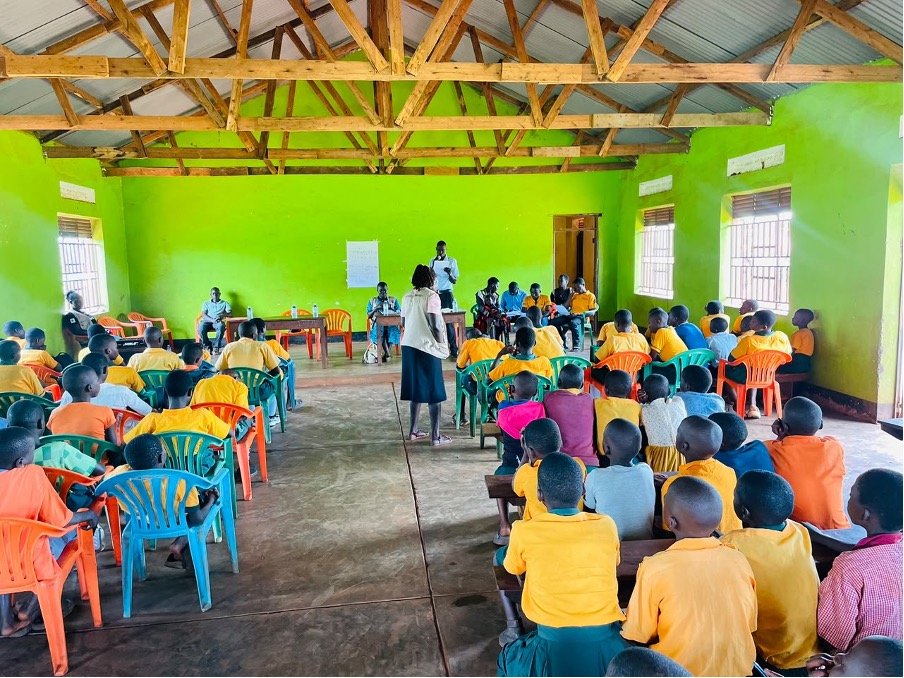
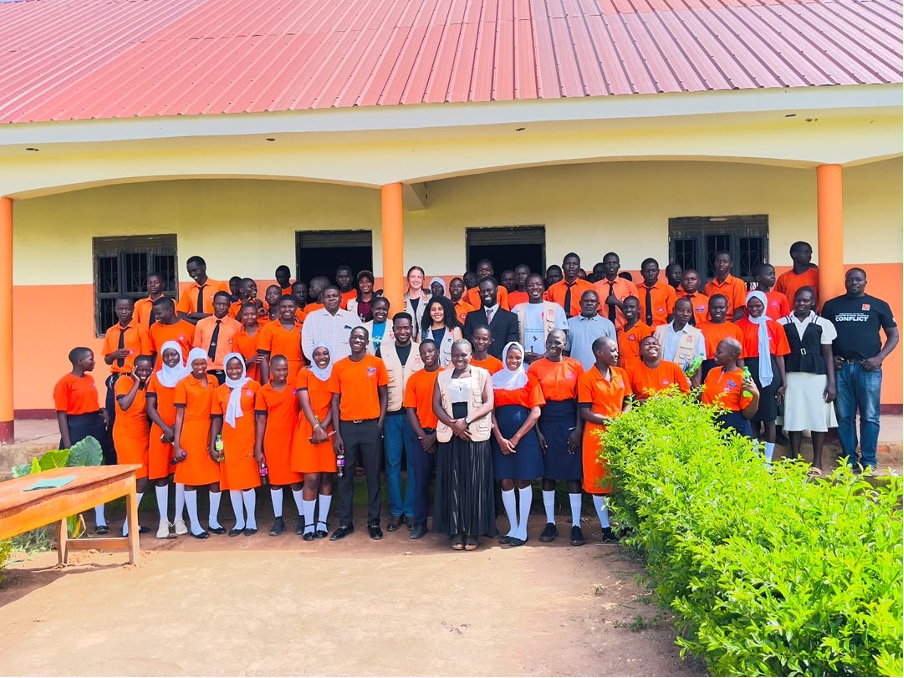
Between September and October 2026, the Refugee Law Project's Kiryandongo Field Office team conducted sexual and reproductive health and rights (SRHR) sessions in schools with adolescents, adults and young people attending English for Adults classes. The team also engaged participants during a career guidance day and a regional roundtable involving the Office of the Prime Minister (OPM) and UNHCR partners from Kiryandongo, Kitgum, Adjumani and Lamwo.
The sessions connected health information with legal awareness and protection pathways. They were informed by concerns raised during a community film screening facilitated by the Media for Social Change (M4SC) programme, which highlighted teenage pregnancy, school dropout and early marriage, as well as a subsequent visit to a Health Centre II. Using the science curriculum, particularly puberty and the physical and emotional changes young people experience, as an entry point, a health educator, an enrolled nurse and midwife from the health centre, and a Legal Assistant joined the discussions. This provided learners with an opportunity to raise health, legal and protection-related questions in one setting.
What emerged was not a representative survey, but a collection of experiences and concerns that schools, families and community institutions should take seriously. When children ask questions, adults have a responsibility to listen with understanding and empathy.
Understanding the Realities Behind the Questions
Learners demonstrated an understanding of many aspects of puberty and could explain that a child is a person below 18 years of age. However, they also spoke about former classmates who had married and, in some cases, already had children. Their accounts raise urgent questions about whether girls can continue their education, make decisions about relationships and marriage, and access protection when risks arise.
Learners identified places where they felt unsafe, including wells, video halls, disco halls, isolated roads and areas near the forest. They also asked whether materials used in disposable sanitary pads could harm them and described negative or disrespectful treatment by some health workers when seeking assistance.
These concerns demonstrate that safety is shaped not only by what young people know, but also by the environments in which they live and move, as well as how institutions treat them. A child who fears being mocked or mistreated at a health facility may avoid seeking help. A girl who cannot travel safely to school or lacks menstrual products may miss lessons. Similarly, a learner who does not trust adults to respect their privacy may remain silent about abuse. Awareness messages cannot overcome these barriers unless schools, families and service providers address them directly.
Head teachers and teachers described several pressures affecting learners, including household poverty, parents arranging marriages when families experience financial difficulties, limited awareness of the consequences of early marriage and the influence of social media. They also highlighted risks involving people within young people's everyday environments, including older boys and young men, boda-boda riders, and men working on or managing farms.
Other concerns included hunger among pupils who walk long distances to school without lunch, child labour associated with the expansion of sugarcane out-grower activities, market days and overnight entertainment, and the limited visibility of educated role models in some communities.
The costs of school uniforms, Parent-Teacher Association (PTA) contributions, examination fees and scholastic materials create additional pressure, while the lack of sanitary products can make school attendance particularly difficult for girls.
These factors are interconnected. Poverty can increase pressure for early marriage or make young people more vulnerable to exploitative relationships. Child labour can compete with school attendance, while long and isolated journeys can expose learners to harassment. Pregnancy or marriage can also make returning to school difficult. When these pressures accumulate, dropping out may appear to be an individual choice, even when a child's options have been severely restricted.
At three schools, staff described cohorts that had started Primary One with more than 100 pupils but had no more than 35 candidates by Primary Seven. This raises important questions about the factors contributing to school dropout and the collective responsibility of families, schools and communities to ensure that children, particularly girls, complete their education.
Creating Safe Spaces for Open Conversations
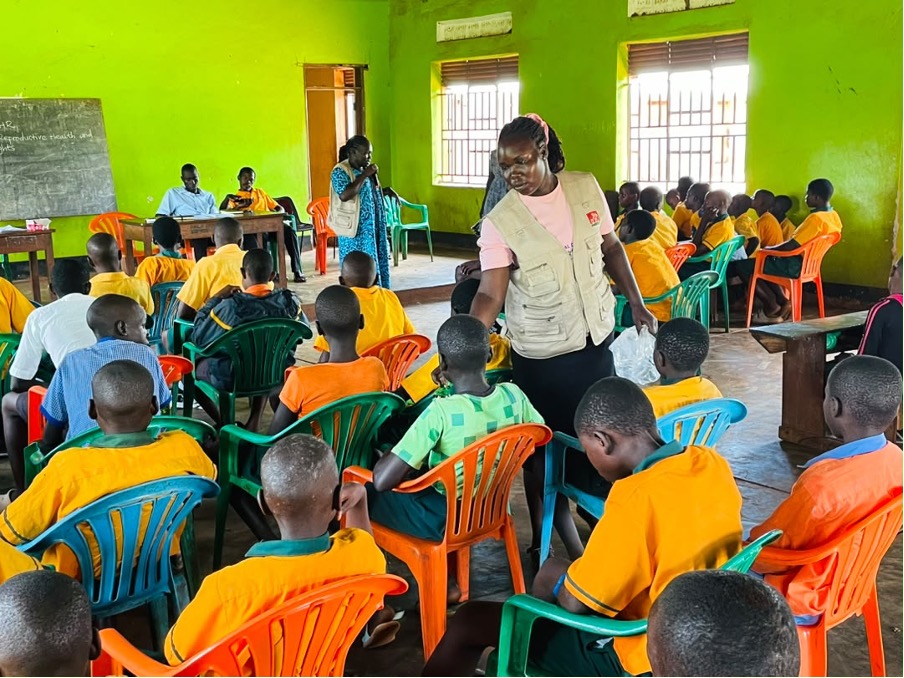
During the English for Adults classes and the career guidance day, married and unmarried learners raised questions about relationships, sexual health and family life. Dividing participants into separate groups created a more comfortable environment for discussion, and learners who had initially remained quiet gradually became more engaged. Approximately seven participants approached the facilitator privately afterwards to express how the sessions had helped them reflect on making informed decisions. Their questions ranged from menstrual changes and intimate health concerns to communication between partners and common beliefs about sexual health. Although some questions were raised humorously, they revealed that many people reach adulthood without having had a safe opportunity to ask basic questions and receive accurate answers.
Such knowledge gaps should not be mistaken for misconduct or a lack of values. Rather, they demonstrate the need for age-appropriate, respectful and scientifically accurate information. Participants also discussed how people communicate interest and affection through body language, gifts, messages, shared activities and physical touch. These examples provided an opportunity to explain the importance of consent. Cultural practices and indirect signals may communicate affection, but they should never be interpreted as proof of agreement to sexual activity. Consent must be freely given, informed, specific and ongoing, and it can be withdrawn at any time. Marriage does not remove a person's right to bodily autonomy or make coercion acceptable.
Addressing Harmful Social Norms and Practices
Learners and adult participants also raised concerns about parental control over marriage decisions, forced marriage, bride-price expectations, age differences between spouses, polygamy, livelihood pressures and conflict within households. Some participants described situations in which young people had little say in deciding whom they would marry. Others discussed the financial expectations associated with marriage and how displacement and livelihood insecurity could make these expectations even more difficult to meet. These discussions demonstrate why GBV prevention must address power relations and decision-making within families rather than simply telling young people to change their behaviour.
Some participants expressed concern that discussions on sexual and reproductive health and rights conflict with religious values or encourage behaviours they consider unacceptable. Such concerns deserve respectful engagement rather than ridicule. At the same time, accurate health information, protection from violence, informed decision-making and access to appropriate healthcare should not be viewed as a rejection of faith or family values. Religious and cultural leaders can play an important role in explaining that protecting health, dignity and safety is a shared responsibility.
During one discussion about avoiding sex before marriage, participants suggested approaches such as fasting, reading the Quran or Bible, and engaging in sports. One participant also suggested female genital mutilation (FGM) as a way of suppressing sexual feelings. This was a sobering reminder that harmful practices can sometimes be understood by individuals as forms of protection or social control, even when they violate human rights and cause serious harm.
FGM is prohibited under Uganda's Prohibition of Female Genital Mutilation Act, 2010. Addressing this practice requires clear information about the law, protection for those at risk and sustained engagement with parents, faith and cultural leaders, health workers, women and young people. Respectful dialogue must never mean compromising a child's safety or treating violence as a cultural preference.
What the Discussions Revealed About GBV Prevention
Across the discussions, several important lessons emerged.
Silence creates space for misinformation and harm. When adults avoid conversations about puberty, relationships, consent and health, young people may turn to rumours, peers or unreliable sources for information. Creating safe spaces for open conversations is therefore essential.
Limited choice is a protection concern. When children cannot influence decisions about marriage, education or their own bodies, the risk of coercion increases. Meaningful participation and respect for children's rights are essential components of prevention.
Poverty and displacement can intensify vulnerability. Financial insecurity, school costs, food insecurity and unstable livelihoods can increase exposure to exploitation and other forms of violence. These pressures do not excuse abuse or justify blaming families and survivors. However, they demonstrate why GBV prevention must be connected to education, livelihood support and social services.
Services must be safe in practice, not merely available on paper. A health centre may be geographically accessible but remain out of reach if a young person anticipates judgement, breaches of confidentiality or disrespect. Adolescent-friendly healthcare requires privacy, respectful communication, appropriate information, clear referral pathways and health workers who understand their responsibilities.
Men and boys must be part of prevention. They should not be treated as though all are perpetrators, but they have a responsibility to challenge harassment, coercion and harmful expectations, respect consent, and support girls' education and decision-making. Engaging men and boys alongside women and girls makes GBV prevention a shared community responsibility.
Turning Protection Concerns into Action
The sessions also helped identify protection concerns involving girls reportedly preparing for their final primary examinations while pregnant, learners from upper classes who had dropped out and could not be traced, and very young girls attending antenatal care. Such situations require careful individual assessment and coordinated support. They must never be discussed in ways that expose a child's identity or invite blame. Where consent was obtained and it was appropriate to do so, the team linked girls to antenatal care and began working with schools and local council structures to trace learners who had left school. Any follow-up must prioritise the child's safety, privacy, best interests and informed participation, and must follow established child-protection and referral procedures.
Several approaches proved useful during the engagements. Beginning with the science curriculum made the content familiar to learners. Bringing health and legal personnel into the same sessions connected prevention with available services and rights. Similarly, separate discussion groups for married and unmarried adult learners appeared to encourage more open participation. Support from head teachers, deputy head teachers, local council leaders and a catechist also helped build community legitimacy and participation.
The school discussions further informed broader engagements with school management committees, Parent-Teacher Association representatives, Village Health Teams, local council leaders, faith-based and cultural leaders, OPM, district authorities and UNHCR partners. The process demonstrated that very large assemblies can make confidential questions and meaningful participation difficult. Future sessions should therefore prioritise smaller, age-appropriate discussion groups and involve parents, caregivers and community leaders without pressuring children to disclose personal experiences in public.
Moving Beyond Awareness During the 16 Days of Activism and Beyond
As the world enters the 16 Days of Activism, the priority should be to translate these conversations into practical commitments. This means moving beyond one-off awareness sessions towards coordinated prevention, response and accountability. Schools should strengthen safeguarding systems, establish clear and confidential channels through which learners can raise concerns, identify trained focal persons and refer disclosures through established child-protection procedures. They should also work with parents and service providers to address menstrual-health barriers, including access to emergency sanitary products where feasible.
Guidance and counselling should be provided regularly, in safe environments, and linked to referral services. They should not be treated as a substitute for professional support when a child has experienced violence. Health facilities and district health teams should continue strengthening adolescent-friendly and survivor-centred services through respectful treatment, privacy, confidentiality within applicable safeguarding and reporting obligations, clear explanations of available care, and responses that are free from stigma.
Parents, caregivers and community leaders should create opportunities for young people to ask questions without humiliation or punishment. They should also engage in constructive dialogue about early and forced marriage, girls' education, consent, shared responsibility in relationships, bride-price expectations and livelihood insecurity. Men and boys should be engaged in practical discussions about respectful relationships, bystander responsibility and the law.
Out-of-school adolescents, young parents and child mothers must not be overlooked. They need accessible information, opportunities to continue their education, and links to health, psychosocial, legal and protection services. Local authorities, protection actors and development partners should strengthen coordination to ensure that referrals do not end when an awareness session concludes. Communities need to know where to seek help, service providers need to understand how to respond, and institutions must follow up on protection concerns while safeguarding confidentiality. Data on school attendance, dropout, pregnancy and referrals should be collected and used responsibly to identify gaps and inform interventions, rather than to stigmatise individual learners or communities.
Beyond the 16 Days: Making Prevention a Shared Responsibility
The 16 Days of Activism is an important moment for public mobilisation, but preventing gender-based violence is work that must continue throughout the year. Its success should not be measured only by the number of meetings held or people reached. We should also ask whether girls are staying in school, whether young people can access respectful and confidential health services, whether families make decisions with children's best interests at the centre, whether survivors receive timely support, and whether institutions take action when rights are violated. Conversations in classrooms and community spaces have demonstrated that people are ready to ask difficult questions. Our responsibility is to ensure that those questions are met with accurate information, respectful listening and practical action.
GBV prevention is not only about explaining what the law says. It is also about changing who gets to decide, who is heard, who is protected and who can safely ask for help. Parents, teachers, religious and cultural leaders, health workers, young people and local authorities all have a role to play during the 16 Days of Activism and beyond. We must listen to those whose voices are often overlooked, challenge harmful practices without exposing or blaming survivors, help children remain safe and in school, and support anyone experiencing violence to access a trusted health, protection or legal service.
The Refugee Law Project remains an important safe space where individuals experiencing violence can report concerns and seek support through a coordinated, multi-sectoral approach. Ultimately, safer communities begin when children, particularly adolescents, can ask questions without fear, when their voices are heard and respected, and when the adults and institutions around them are prepared to act with dignity, empathy and a commitment to the Do No Harm principle, while upholding the best interests of young people.
By Layet Busena, Gender and SRHR Assistant, Refugee Law Project, Kiryandongo Field Office
